Top 10 Foods That Are Good for Your Health
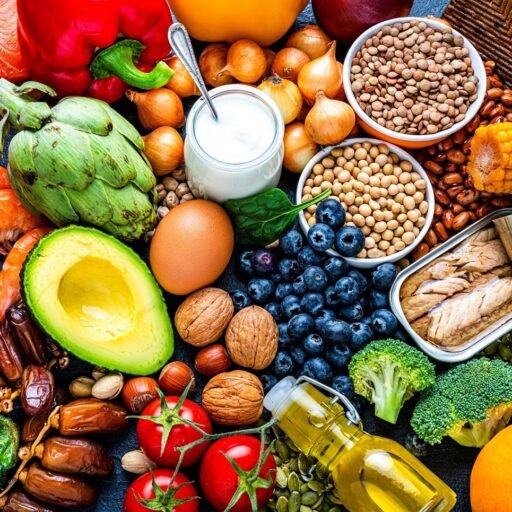
Good health doesn’t start in a pharmacy or a gym. It starts on your plate. The foods you eat every day affect your energy, immunity, heart, digestion, skin and even your mood. The good news is that you don’t need expensive “superfoods” or complicated diets. Many of the most nutritious foods are simple, affordable and easy to find.
Here are 10 foods that nutrition experts consistently recommend, with what makes each one valuable and how to enjoy it.
1. Leafy Green Vegetables
Spinach (palak), fenugreek (methi), kale, mustard greens (sarson) and amaranth leaves are among the most nutrient-dense foods you can eat.
Why they’re good for you:
- Rich in vitamins A, C and K, folate, iron and magnesium
- High in fibre and very low in calories
- Contain antioxidants such as lutein, which supports eye health
How to eat them: Add them to dal, parathas, soups, omelettes or smoothies. Lightly cooking greens is fine, and pairing iron-rich greens with a vitamin C source like lemon helps your body absorb the iron.
2. Berries
Blueberries, strawberries, raspberries and jamun are small but packed with nutrition.
Why they’re good for you:
- High in antioxidants called anthocyanins, which give berries their deep colour
- Good source of fibre and vitamin C
- Lower in sugar than many other fruits
Studies link regular berry intake with better heart health and brain function. Eat them fresh, add them to curd or oatmeal, or blend them into smoothies. Frozen berries are just as nutritious and often cheaper.
3. Fatty Fish
Salmon, sardines, mackerel (bangda) and herring are excellent sources of omega-3 fatty acids.
Why they’re good for you:
- Omega-3s (EPA and DHA) support heart and brain health
- High-quality protein
- Good source of vitamin D, which many people lack
Health organisations generally recommend eating fatty fish about twice a week. Grilling, baking or steaming is healthier than deep frying. If you don’t eat fish, ask your doctor about alternatives such as algae-based omega-3 supplements.
4. Nuts and Seeds
Almonds, walnuts, pistachios, flaxseeds, chia seeds and pumpkin seeds are small foods with big benefits.
Why they’re good for you:
- Provide healthy fats, protein, fibre, vitamin E and minerals like magnesium and zinc
- Walnuts, flax and chia contain plant-based omega-3s
- Regular nut consumption is associated with better heart health
How to eat them: A small handful (about 25 to 30 grams) a day is enough. Nuts are calorie-dense, so portion size matters. Choose unsalted, unroasted or dry-roasted varieties over heavily salted or sugar-coated ones.
5. Legumes: Dal, Beans and Chickpeas
Lentils, rajma, chana, moong and peas are staples of Indian kitchens for good reason.
Why they’re good for you:
- Excellent plant-based protein, especially valuable for vegetarians
- Rich in fibre, which supports digestion and keeps you full longer
- Contain iron, folate, potassium and complex carbohydrates that release energy slowly
Legumes have a low glycaemic impact, which makes them a smart choice for steady blood sugar. Eating dal with rice or roti also gives you a more complete protein profile.
6. Whole Grains
Oats, brown rice, millets (ragi, jowar, bajra), whole wheat and quinoa are far more nutritious than refined grains.
Why they’re good for you:
- Keep their fibre, B vitamins and minerals, which are stripped out during refining
- Oats contain beta-glucan, a fibre shown to help lower LDL (“bad”) cholesterol
- Provide longer-lasting energy and help you feel full
Simple swaps work well: whole wheat roti instead of maida, millet khichdi instead of white rice, or oats for breakfast.
7. Yogurt (Curd)
Plain curd and yogurt have been part of Indian diets for centuries, and science backs up their value.
Why they’re good for you:
- Rich in calcium and protein for bone and muscle health
- Contain live probiotic bacteria that support gut health
- Easy to digest and versatile
Choose plain, unsweetened yogurt. Flavoured versions can contain a lot of added sugar. You can make raita, lassi (without sugar), or top it with fruit and nuts.
8. Eggs
Eggs are one of the most affordable and complete sources of nutrition available.
Why they’re good for you:
- High-quality protein with all essential amino acids
- Contain choline (important for brain health), vitamin B12, vitamin D and selenium
- Egg yolks contain lutein and zeaxanthin, which support eye health
For most healthy people, eating eggs in moderation is considered safe. If you have high cholesterol, diabetes or heart disease, ask your doctor how many eggs are right for you. Boiled or poached eggs are healthier than fried ones.
9. Cruciferous Vegetables
Broccoli, cauliflower (gobhi), cabbage, Brussels sprouts and radish belong to this group.
Why they’re good for you:
- High in fibre, vitamin C and vitamin K
- Contain sulfur compounds such as glucosinolates, which are being studied for their protective effects on cells
- Low in calories but filling
How to eat them: Steaming, stir-frying or roasting works well. Avoid overcooking, which can reduce nutrients and make them mushy and bitter.
10. Healthy Cooking Oils (Olive Oil and Other Unsaturated Fats)
The type of fat you eat matters. Extra virgin olive oil is a cornerstone of the Mediterranean diet, which is widely studied for heart health.
Why it’s good for you:
- Rich in monounsaturated fats and antioxidants
- Associated with a lower risk of heart disease when it replaces saturated and trans fats
- Mustard oil, groundnut oil and rice bran oil also have favourable fat profiles when used in moderation
Use olive oil for salads and light cooking. Whatever oil you use, keep quantities modest, since all oils are high in calories, and avoid reusing oil repeatedly for deep frying.
How to Build a Healthy Plate
Knowing the best foods is only half the picture. These simple habits help you put them into practice:
- Fill half your plate with vegetables and fruit. Aim for variety and colour.
- Choose whole over refined. Pick whole grains and whole fruits instead of juices and white flour.
- Include protein at every meal. Dal, eggs, curd, fish, paneer, nuts or lean meat all work.
- Limit ultra-processed foods. Packaged snacks, sugary drinks and fast food are often high in salt, sugar and unhealthy fats.
- Drink enough water. Aim for around 2 to 3 litres a day unless your doctor advises otherwise.
- Control portions. Even healthy foods can contribute to weight gain if eaten in excess.
- Cook at home when you can. You control the oil, salt and ingredients.
Common Myths About Healthy Eating
“Superfoods will fix my diet.” No single food makes up for an overall unbalanced diet. Health comes from consistent patterns, not one miracle ingredient.
“All fats are bad.” Unsaturated fats from nuts, fish and olive oil are important. It’s trans fats and excess saturated fat you should limit.
“Carbs make you fat.” Refined carbs and sugar are the concern. Whole grains, legumes and fruit are valuable parts of a healthy diet.
“Healthy food is expensive.” Dal, seasonal vegetables, eggs, curd, oats and peanuts are among the cheapest and most nutritious foods available.
Frequently Asked Questions
Which single food is the healthiest?
There isn’t one. A varied diet that includes vegetables, fruit, whole grains, protein and healthy fats is far more effective than relying on any single food.
How much fruit and vegetables should I eat daily?
The WHO recommends at least 400 grams a day, which is roughly five portions.
Do I need supplements if I eat these foods?
Most healthy people can get the nutrients they need from a balanced diet. Some people, such as those with vitamin D or B12 deficiency, may need supplements. Get tested and ask your doctor.
Can these foods help with weight loss?
Fibre- and protein-rich foods can help you feel full, which supports weight management. Overall calorie balance and physical activity still matter.
Final Thoughts
Eating well doesn’t have to be complicated or expensive. Leafy greens, berries, fatty fish, nuts, legumes, whole grains, curd, eggs, cruciferous vegetables and healthy oils form a strong foundation for long-term health. Start small: add one or two of these foods to your meals this week, and build from there.
Remember, the best diet is one you can stick with. Focus on variety, balance and consistency rather than perfection, and your body will thank you.